01

PACE

Funded by the German Federal Ministry for Economic Affairs and Energy, MIMOSA brings together the expertise of its partners: overall aircraft and system simulation (PACE), fuel-cell and thermal-management simulation (AVL), aircraft design (TU Berlin), and practical integration into real aircraft design workflows by the manufacturer (Deutsche Aircraft).
The project connects the preliminary design platform for aircraft and on-board systems Desmo with the system simulation tool AVL CRUISE™ M for high-fidelity fuel-cell and thermal-management simulations, enabling consistent, multi-scale evaluation of new propulsion concepts. Fuel-cell-powered regional aircraft - especially when using renewable hydrogen - can achieve up to 100% CO₂ savings, along with significant noise and emission reductions and an estimated five percent increase in overall propulsion efficiency.
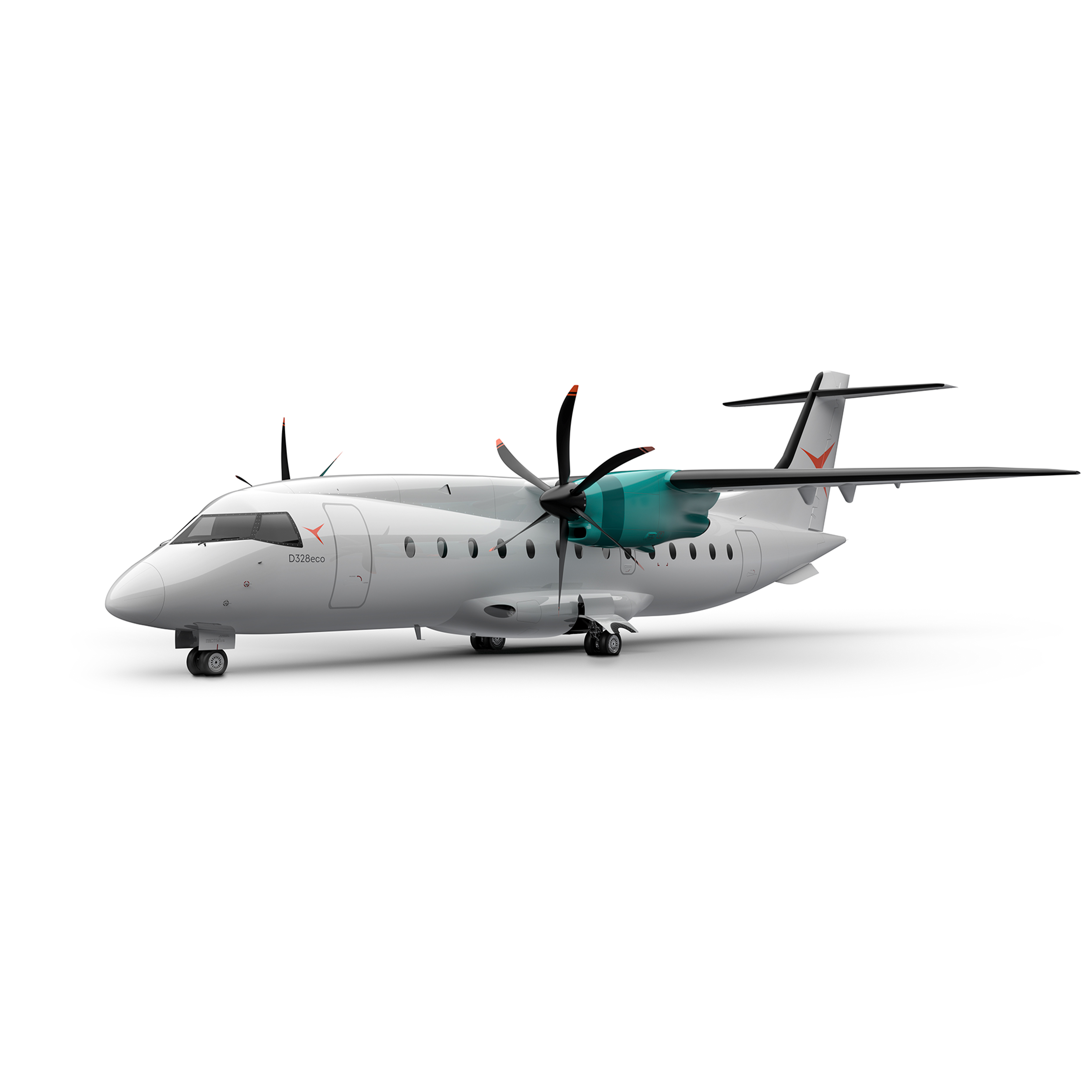
Led by PACE, MIMOSA investigates how detailed fuel-cell simulation tools, exemplified by AVL CRUISE™ M, can be combined with the preliminary aircraft design platform Desmo to harness synergies in system- and aircraft-level design. Tailored digital interfaces allow performance data to be exchanged at the resolution required for multi-scale simulation, ensuring a seamless connection from individual components to the complete aircraft.
By closing the design loop from component to aircraft level, MIMOSA helps engineers narrow the design space early in development and identify costly dead-end configurations before detailed design begins. The project also explores the simulation of multiple system architectures to determine the most promising configurations and improve the performance and efficiency of hybrid-electric regional aircraft. Through this integrated, multi-scale approach, MIMOSA provides a robust framework for early-phase assessment, faster and more informed design decisions, and optimized fuel-cell propulsion systems that directly support the transition to zero-carbon regional aviation.
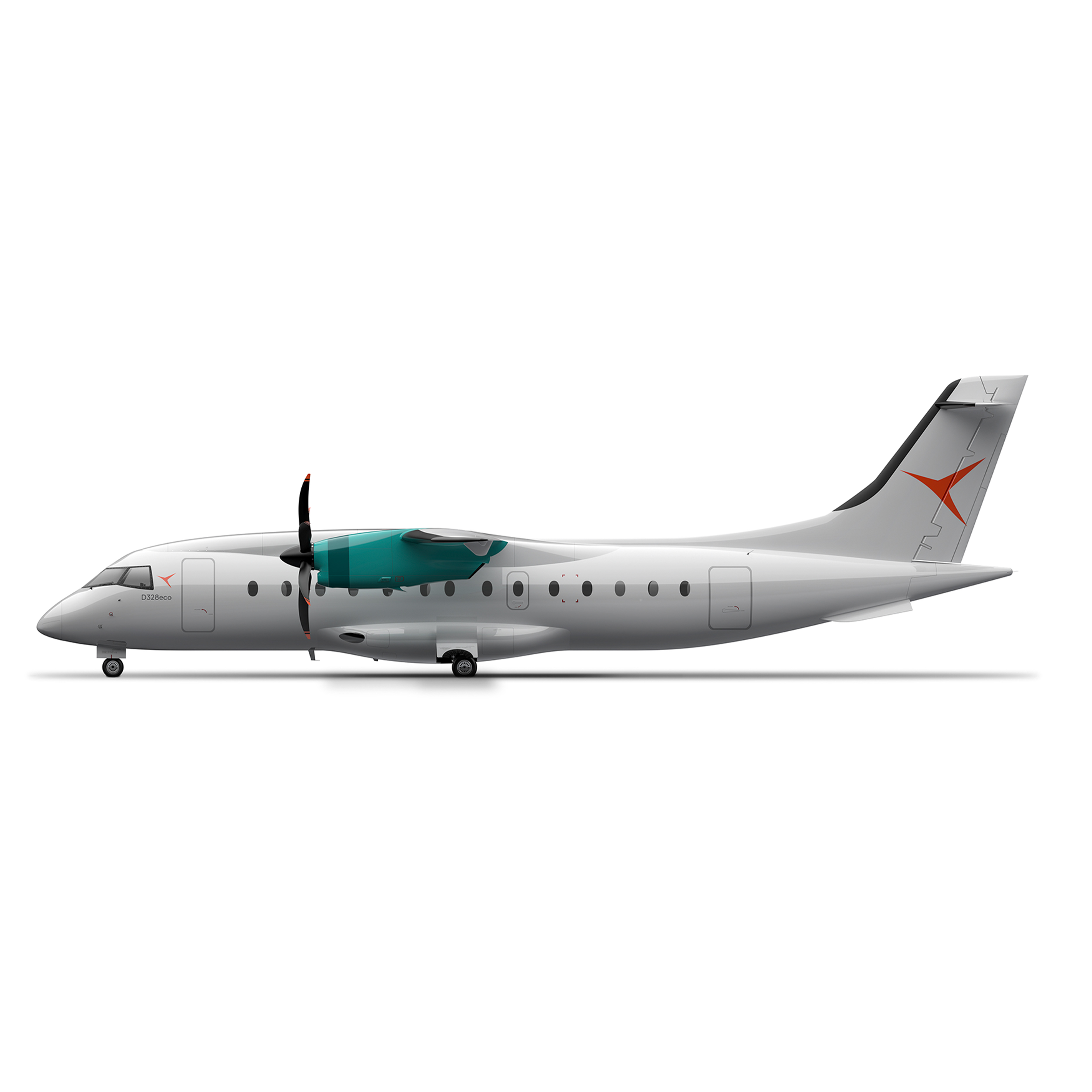
Within Desmo, alternative fuel-cell system architectures are modeled and their influence on mass, aerodynamics, and mission performance is tracked.
PACE will investigate the function of system architecture swaps and benchmarking, as well as machine learning applications to support hybrid-electric regional aircraft design, aiming to streamline the development process.
Insights from a first loose coupling loop between Desmo and a detailed fuel-cell and thermal-management simulation tool will then feed into the interface specification and implementation that are needed for a multiscale simulation workflow.
01
PACE
02

Deutsche Aircraft
03

Technische Universitat Berlin
04

AVL
No results found for the selected criteria. Try adjusting your filters.